Choosing the right nail salon in Sandy Springs comes down to five checks you can finish before you ever sit in the chair. Look at licensing, recent reviews, visible sanitation, upfront pricing, and how the salon handles a first, smaller service. None of these checks take more than a few minutes, and together they tell you far more than a star rating alone.
- Confirm the technician holds an active Georgia nail technician license.
- Read reviews from the last 30 days, not just the overall average.
- Watch whether tools come from a sealed, sterilized pouch or an open drawer.
- Ask for the exact price of your service before it begins.
- Start with a smaller service, like a classic manicure, if the salon is new to you.
Introduction
Sandy Springs has one of the highest concentrations of nail salons in the northern Atlanta metro, with several clustered along Roswell Road alone. That much choice sounds like a good problem to have, but it also means two salons on the same block can run very different operations behind the front desk.
The stakes are higher than most people assume. A rushed cuticle trim, a foot bath that was not drained between clients, or a technician working without an active license can turn a relaxing hour into a skin or nail infection that takes weeks to clear up. On the other end, picking well means walking out with nails that last, in a space that actually felt worth the price.
By 2026, most people already do some of this research before they ever walk in. They check a salon’s Google rating, skim a few recent reviews, and sometimes look up whether a technician’s license is active, all from a phone in the parking lot. That shift matters because it turns nail salon selection from a guessing game into something you can actually verify.
Many salons in this area also look nearly identical from the sidewalk, with similar signage, pricing boards, and stock photos of manicured hands. That similarity makes it tempting to choose based on convenience alone, such as proximity to a shopping center or a quick walk-in slot, without ever checking the details that actually determine how safe and consistent the service will be.
This guide walks through exactly what to check, in the order that matters most: sanitation, licensing, service type, reviews, pricing, atmosphere, and the red flags that mean you should leave. It closes with where salon standards in Sandy Springs are likely headed over the next few years.
Why Sanitation and Sterilization Are the First Thing to Check
Sanitation is the single biggest factor separating a safe nail salon from a risky one, and it is also the easiest to check with your own eyes in the first thirty seconds of a visit.
Signs of Poor Sanitation
Yale Medicine dermatologist Dr. Amanda Zubek points out that most salons already meet strict health regulations, but a customer cannot confirm that just by looking around the room. Her advice is to check online reviews, ask to see the salon’s posted license, or check whether the salon carries Better Business Bureau accreditation, since real sanitation problems are not always visible on the surface. As a backup step, she recommends bringing your own manicure and pedicure tools, cleaned with warm soapy water and sterilized with rubbing alcohol before your visit.
What Proper Sterilization Actually Requires
Georgia spells this out in exact detail. Under the Georgia State Board of Cosmetology and Barbers facility rules, reusable metal tools such as clippers, cuticle nippers, and pushers must be cleaned of debris, then fully immersed for at least 10 minutes in a disinfectant registered with the EPA, before being rinsed and stored in a sealed container labeled “Clean Implements.” A basic UV light box or standalone steam device does not satisfy this rule on its own. Only that EPA-registered immersion process, or a true autoclave that meets recognized ANSI or ISO steam-sterilization standards, counts as proper disinfection. Foot spas and pedicure basins must be cleaned and disinfected for at least 15 minutes after every single client, and salons are required to keep a dated log of this cleaning that any customer can ask to see. Hand washing is also required before and between every client under the same rules, and the same regulation states that customers should avoid shaving their legs the same day as a pedicure, since tiny nicks make it easier for bacteria in a foot bath to cause an infection.
How to Verify a Nail Technician’s License in Georgia
Almost every nail salon guide tells you to check for a license. Few explain how to actually do it, and in Georgia, it takes less than two minutes.
Georgia’s Training and Licensing Requirements
To become a licensed nail technician in Georgia, a person must complete 525 hours of state-approved training over at least four months, covering sanitation, safety, and hands-on service skills, then pass a written and practical exam. Someone who skips school instead can qualify through an apprenticeship of at least 1,050 hours over eight months under a licensed master technician. Either path is meant to guarantee a baseline of training before someone works on your hands or feet.
How to Look Up a License Online
The Georgia Secretary of State runs a free public license lookup at verify.sos.ga.gov. You can search by the technician’s name or the salon’s name to confirm the license is active rather than expired or pending. Georgia also requires every facility to post its license, or a current copy of the online verification, within fifteen feet of the entrance or at each workstation, so you can often check this in person the moment you sit down, before the service even starts.
Acrylic, Gel, Dip Powder, or Regular Polish: What Is the Real Difference
The right nail type depends on how long you want it to last, how much upkeep you are willing to do, and how gentle you need the process to be on your natural nail.
Durability and Cost of Each Option
Regular polish is the least expensive option and lasts about a week before chipping. Gel polish cures under UV or LED light, lasts roughly two to three weeks, and holds a glossier finish. Dip powder builds a slightly thicker, more durable layer that can last three to four weeks. Acrylic and gel extensions add length and strength but require a fill every three to four weeks as the natural nail grows out underneath. Price generally scales with how much work a service takes, a simple polish change costs less than a full acrylic set with nail art, so it is worth asking for the exact price of your specific service rather than assuming from a general menu.
The MMA vs. EMA Safety Question
Acrylic services use a liquid monomer mixed with a powder polymer, and the type of monomer matters more than most clients realize. The U.S. Food and Drug Administration took action against methyl methacrylate, or MMA, in nail products in the 1970s after receiving reports of allergic reactions and permanent nail damage, according to a chemical safety profile published by California’s Department of Toxic Substances Control. Because the FDA cannot require safety testing of cosmetic ingredients before sale, it is largely state licensing boards, not a nationwide product ban, that keep MMA out of professional use in favor of the safer alternative, ethyl methacrylate, or EMA. A strong, unusual odor, nails that feel unusually hard to file, or a technician who will not show you the product bottle are reasonable reasons to ask questions before agreeing to an acrylic service.
How to Read Reviews Without Being Misled
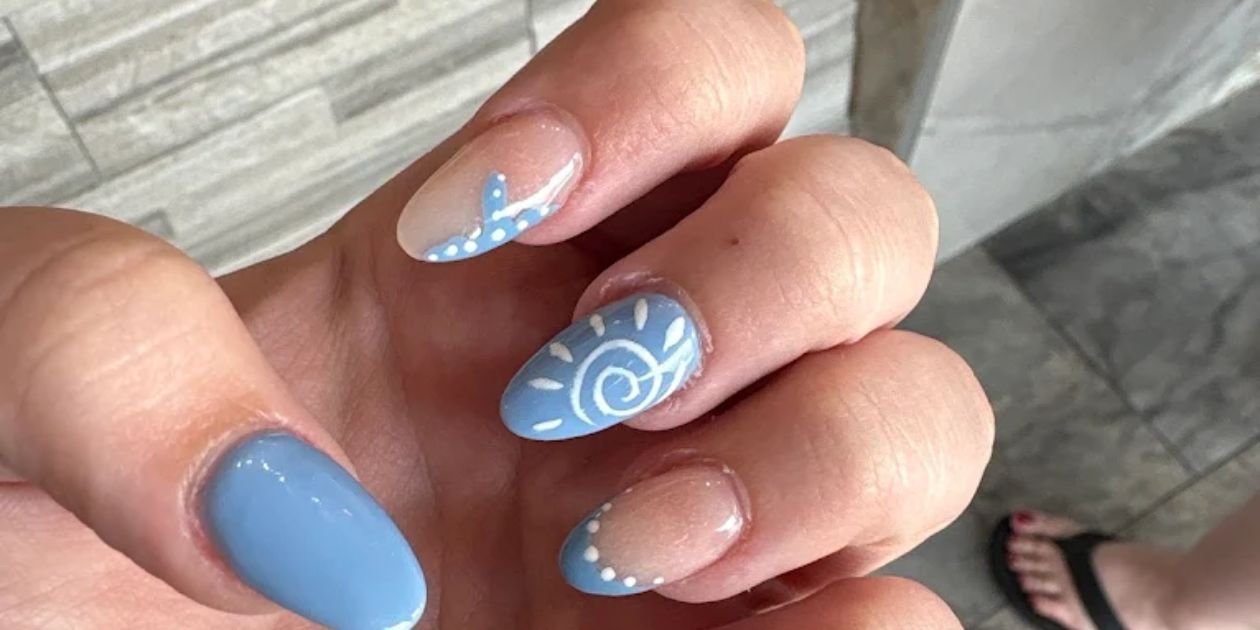
A single five-star or one-star review rarely tells the full story. Instead, sort by most recent and read the last ten to fifteen entries together. Look for a repeated theme, such as several people mentioning long wait times, inconsistent gel application, or outstanding cleanliness, rather than judging the salon on one outlier experience. Pay attention to how a salon responds to a negative review as well. A calm, specific response suggests a business that takes feedback seriously, while a defensive or missing response is worth noting. Photos attached to reviews are also worth a look, since they show real, unfiltered results rather than a staged menu photo, and a complaint that names the same technician more than once carries more weight than a single vague comment about the whole salon.
Pricing Transparency and Avoiding Hidden Fees
A trustworthy salon will tell you the price of a service before it begins, not after. Ask directly whether the price you were quoted covers the full service, including nail art, French tips, or a longer massage add-on, since these are common places where an initial quote and the final bill can differ. If a menu is not posted or available online, call ahead and ask for pricing on the specific service you want rather than a general range. Some salons also offer loyalty rewards for repeat visits or gift cards for special occasions. These extras do not affect safety or quality, but they are worth asking about if you expect to become a regular.
Convenience: Walk-Ins, Hours, and Booking
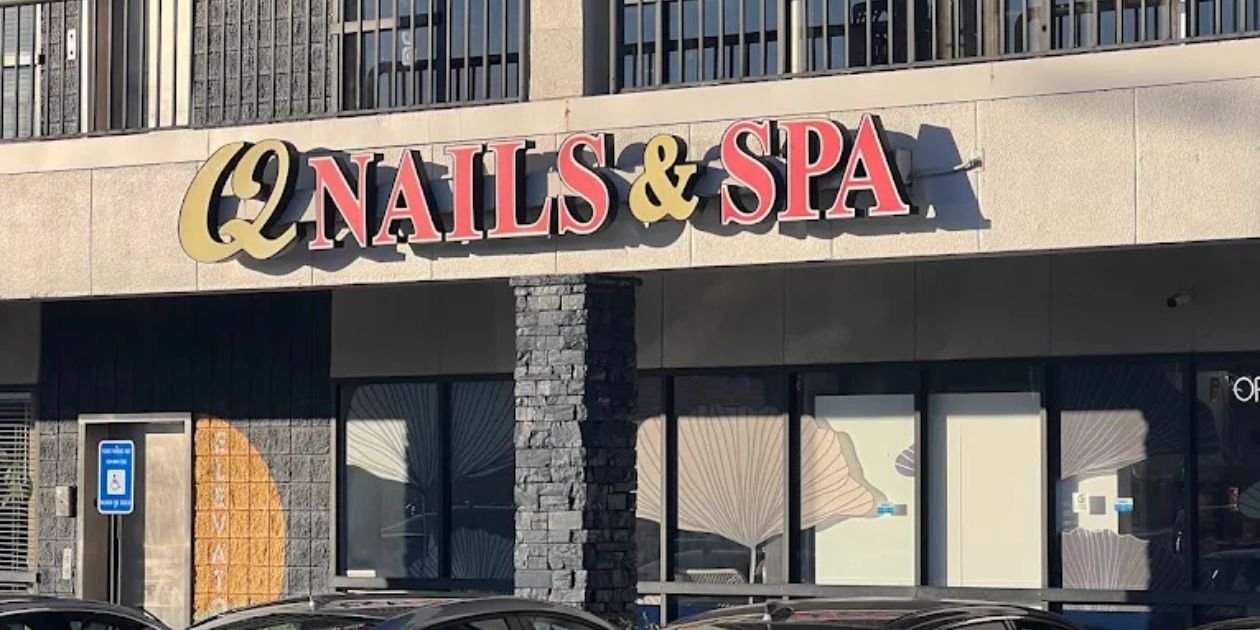
Convenience matters too, since most people fit a manicure or pedicure around a work schedule rather than planning a full day around it. Check whether a salon accepts walk-ins or requires a booked appointment, and confirm the current hours rather than relying on an outdated online listing, since salons update hours more often than most directories catch up with. Q Nails & Spa, for example, welcomes walk-ins alongside scheduled appointments and lists its hours as Monday through Saturday from 9:30 a.m. to 7:00 p.m. and Sunday from noon to 6:00 p.m. Confirming details like this before leaving the house saves a wasted trip, especially on weekends when nearby salons can fill up fast.
What a Well-Run, Comfortable Salon Actually Feels Like
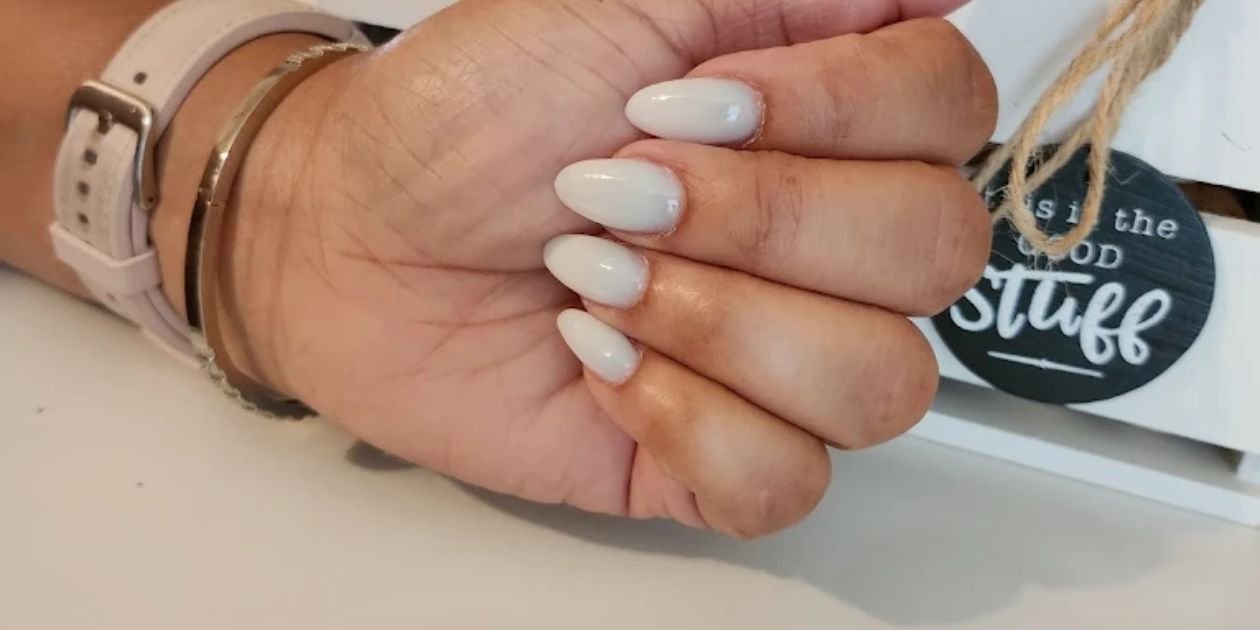
Beyond hygiene and pricing, the overall experience matters for a service that is supposed to help you relax. A well-run salon usually has a clear intake process, asks what you want before starting, and gives you time to look at colors and options without rushing you into a decision.
Communication matters as much as the product itself. If you already know the name of a specific service, such as builder gel, dip powder, or a French-tip acrylic set, say so directly, since different salons sometimes use different names for very similar techniques. A well-run salon will clarify exactly what is included before starting, rather than assuming, so there are no surprises when the appointment is finished.
Locally, Q Nails & Spa in Sandy Springs describes its own approach as centered on hospital-grade tool sterilization, single-use utensils where appropriate, and a freshly lined pedicure basin for every client, standards the salon states it has followed for more than 20 years in business. These are the salon’s own stated practices rather than independently audited claims, so it is still worth confirming sanitation in person on your first visit, the same way this guide recommends for any salon. The salon’s full service menu spans manicures, pedicures, artificial nails, facials, massage, and waxing, and new clients can currently see the terms of its 20 percent first-visit offer before booking.
Red Flags That Mean You Should Walk Away
A few warning signs are serious enough to justify rescheduling rather than continuing with a service. Under Georgia’s own facility rules, hand washing is required before and between every client, tools must come from a sealed container labeled “Clean Implements” rather than an open drawer, and items like nail files, buffers, and pedicure liners are single-use and cannot legally be reused on another client. The same rules ban razor-type callus shavers, credo blades, and foot graters entirely, since they can injure skin in a way that leads to infection. A technician who skips visible hand washing, reuses a nail file, or reaches for one of these banned tools is not just being careless, they are breaking the state’s own rules.
On the medical side, Yale Medicine dermatologist Dr. Amanda Zubek advises against letting a technician cut or push back your cuticles, since this breaks a natural barrier that helps protect against infection, and clients need to ask directly if a technician tries to do this anyway. She also notes that gel manicures cured under UV lamps carry a small but real increase in skin cancer risk with regular weekly use, since these lamps are not closely regulated, and recommends applying sunscreen to the hands beforehand as a simple precaution. A missing or expired license at the front desk is also a reasonable reason to leave before a service starts. None of these signs require an argument. Declining a specific step, or rescheduling the whole visit, protects your skin and nails far better than pushing through an appointment that already feels wrong.
Where Nail Salon Standards in Sandy Springs Are Headed Through 2030
A few shifts are already visible and likely to continue over the next several years. Digital license verification is becoming something clients actually use before booking, not just a poster on a wall, as more state boards move their lookup tools online. Demand for clean-ingredient polish, free of ingredients like formaldehyde, toluene, and DBP, is pushing more salons to list what their products leave out, not just what they add. Pricing transparency is also shifting online, with more salons posting exact service menus rather than a general range, partly driven by review platforms that now let clients flag unclear pricing directly. None of this replaces the basic checks in this guide. If anything, it makes them easier to do from a phone before you ever book an appointment.
Conclusion
Choosing a nail salon in Sandy Springs does not require luck. Check that the license is active, look at how tools are stored and cleaned, read recent reviews as a pattern rather than a single opinion, confirm pricing before the service starts, and pay attention to how the space and staff make you feel. A salon that welcomes these questions instead of rushing past them is usually the one worth returning to.
Frequently Asked Questions
How much does a manicure cost in Sandy Springs?
Prices vary by salon and by exactly what is included, such as nail art, paraffin treatments, or an extended massage add-on. Rather than relying on a general online estimate, the most accurate way to find out is to check a salon’s own published menu or call ahead, since a trustworthy salon should be able to quote the exact price of your service before it begins.
Do you need to tip nail technicians in Georgia?
Tipping is customary across the U.S. service industry, and 15 to 20 percent of the service price is the common range most clients follow for manicures and pedicures.
How often should I get a manicure or pedicure?
Regular polish typically needs a refresh weekly, gel polish lasts two to three weeks, and acrylic or dip powder sets usually need a fill every three to four weeks as the natural nail grows out.
Is dip powder safer than acrylic?
Both are considered safe when the salon uses proper ventilation and sanitized tools. Dip powder skips the liquid monomer used in acrylics, which some clients prefer, but sanitation practice matters more to safety than the product type itself.
How do I check if a nail salon technician is licensed in Georgia?
Use the free lookup at verify.sos.ga.gov and search by the technician’s or salon’s name to confirm the license is active.
What does the new client discount at Q Nails & Spa include?
Q Nails & Spa’s current promotions page lists 20 percent off for first-time clients across its full service menu, valid on a single visit and not combinable with other offers.